At Northwest Spine Surgery in Portland, OR, Dr. Kendrick Khoo and Dr. Serena Liu specialize in diagnosing and treating spine conditions that affect nerve health and mobility. Dr. Khoo, who completed his orthopedic surgery residency at UCSF Fresno and his spine surgery fellowship at UC Davis, combines advanced imaging with precision diagnostics to detect cervical nerve compression early. Dr. Liu, fellowship-trained at the University of Maryland, brings expertise in minimally invasive spine surgery, ensuring effective treatment with faster recovery.
How Cervical Radiculopathy Develops
Cervical radiculopathy occurs when a nerve in the neck becomes compressed or inflamed, often due to herniated discs, bone spurs, or degenerative spine changes. This pressure disrupts normal nerve signaling, leading to pain, tingling, or weakness that radiates from the shoulder into the arm. Without early intervention, chronic nerve compression can cause long-term dysfunction.
Common causes include:
- Herniated discs: When the soft inner disc material pushes outward, irritating nearby nerves.
- Bone spurs: Bony growths that narrow the spinal canal and pinch nerves.
- Degenerative disc disease: Wear and tear that reduces cushioning between vertebrae.
- Injury or trauma: Sudden force to the neck that damages spinal structures.
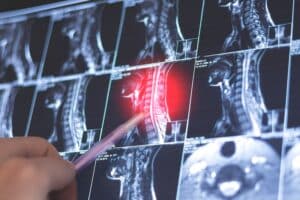
Identifying these issues early through imaging and clinical evaluation allows targeted treatment to stop progression before nerves sustain permanent damage.
Why Timing Matters in Diagnosis
Nerves that remain compressed for long periods may lose their ability to transmit signals effectively. Early diagnosis is essential because prolonged pressure can lead to muscle weakness, chronic pain, and loss of hand coordination. The longer the compression persists, the harder it becomes to reverse these effects.
Early treatment at Northwest Spine Surgery may include physical therapy, anti-inflammatory medications, or minimally invasive surgical procedures, depending on the severity of the condition. By addressing nerve compression promptly, patients can often avoid complex surgeries and achieve a faster return to daily activities.
Benefits of Early Treatment
Detecting and treating cervical radiculopathy early comes with several key advantages:
- Reduced risk of nerve damage: Prevents long-term sensory or motor deficits.
- Faster pain relief: Resolving pressure on the nerve helps reduce discomfort quickly.
- Improved function: Restores strength and flexibility in the neck and arms.
- Lower surgical risk: Early care may eliminate the need for invasive procedures.
Patients who seek care early often experience better recovery outcomes and improved quality of life.
Experience Advanced Spine Care in Portland, OR
If you are experiencing neck pain or tingling sensations, don’t wait for symptoms to worsen. Contact Northwest Spine Surgery in Portland, OR, at 503-253-4000 to schedule your consultation with Dr. Kendrick Khoo or Dr. Serena Liu.